How to Prove Damage Was Not Caused During Installation? You arrive on site, complete the setup, and the system fails to run as expected. The first question from the client is immediate: what went wrong?
In many cases, the real issue is not installation—it is what happened before the equipment even arrived. Yet without clear evidence, the situation quickly turns into an installation dispute with client, where responsibility becomes unclear and time is lost in back-and-forth explanations.
Understanding why machine not working after transport is not just a technical matter. It is a matter of proof.

Why Machine Not Working After Transport Is Often Misdiagnosed
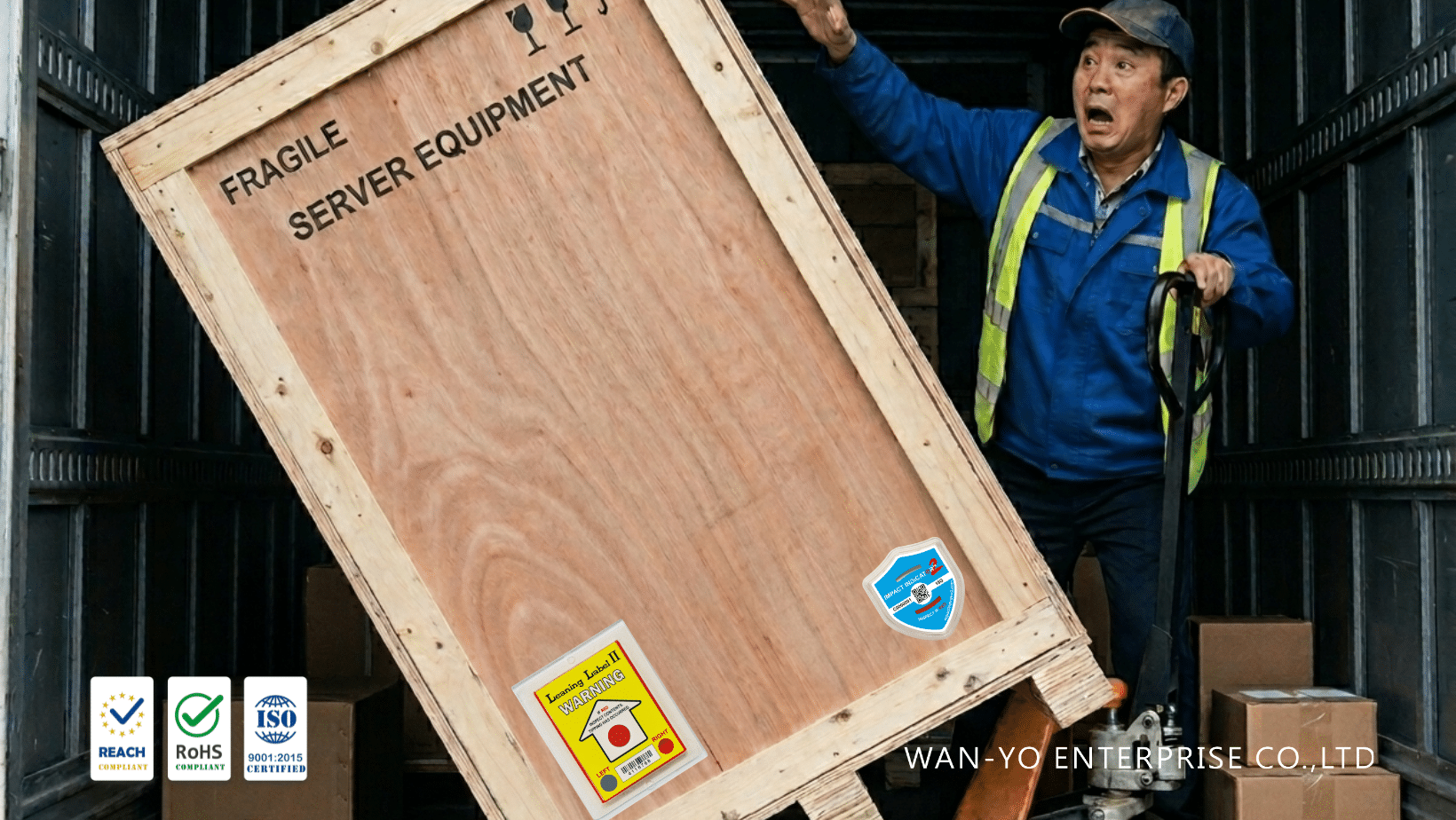
Equipment that fails after installation is frequently assumed to be an installation error. However, transport-related damage can affect internal components without leaving obvious external signs.
This is where many field engineers face challenges. Without knowing the signs of shipping damage equipment, it becomes difficult to distinguish whether the issue originated during handling, transit, or setup.
Subtle indicators—such as misalignment, internal vibration damage, or unexpected calibration shifts—can point to impact or improper handling during shipping, even if the outer packaging appears intact.

Pre Installation Inspection Checklist: What Engineers Should Verify First
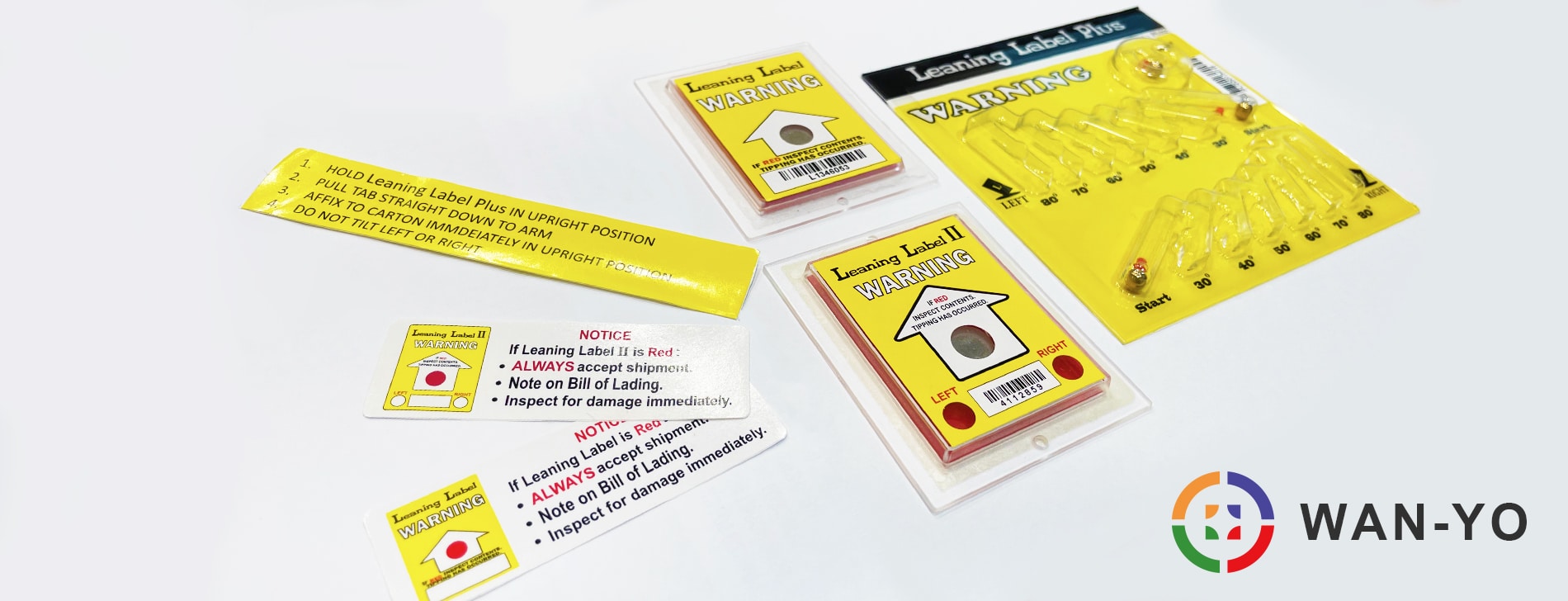
Before starting installation, a structured pre installation inspection checklist can significantly reduce risk and uncertainty.
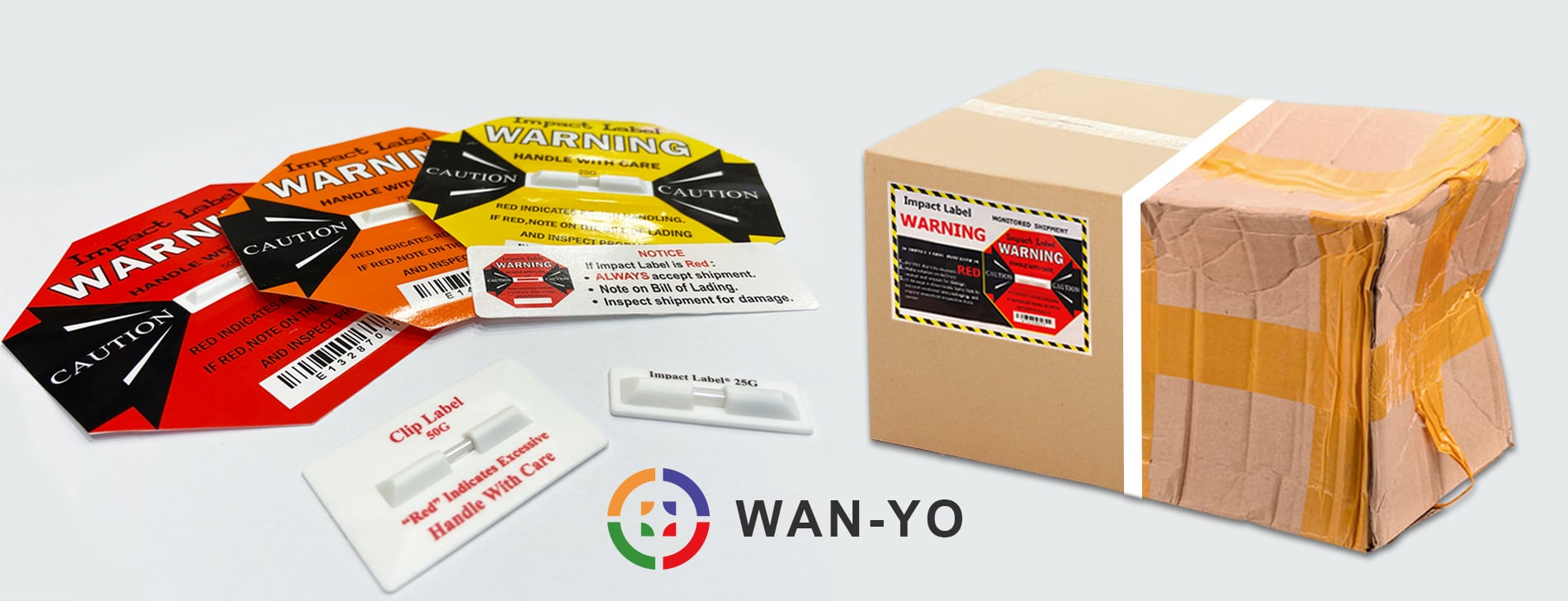
Instead of immediately proceeding with setup, engineers who take a moment to assess shipment condition are better positioned to identify early warning signs. This includes evaluating external packaging, checking for handling indicators, and confirming whether the equipment has been exposed to abnormal conditions during transport.
A consistent inspection approach not only improves technical outcomes but also strengthens your position if issues arise later.

How to Prove Damage Was Not Caused During Installation
The most critical challenge is not identifying the problem—it is proving it.
When facing an installation dispute with client, the ability to demonstrate that damage occurred before installation can prevent unnecessary liability. This is why more engineers are focusing on how to prove damage was not caused during installation.
Relying solely on visual inspection or post-failure analysis is often insufficient. Without documented evidence from the moment of delivery, any conclusion can be questioned.
By integrating verifiable indicators and inspection records into the workflow, engineers can shift the conversation from assumption to evidence. This not only protects individual accountability but also reduces friction with clients and internal teams.
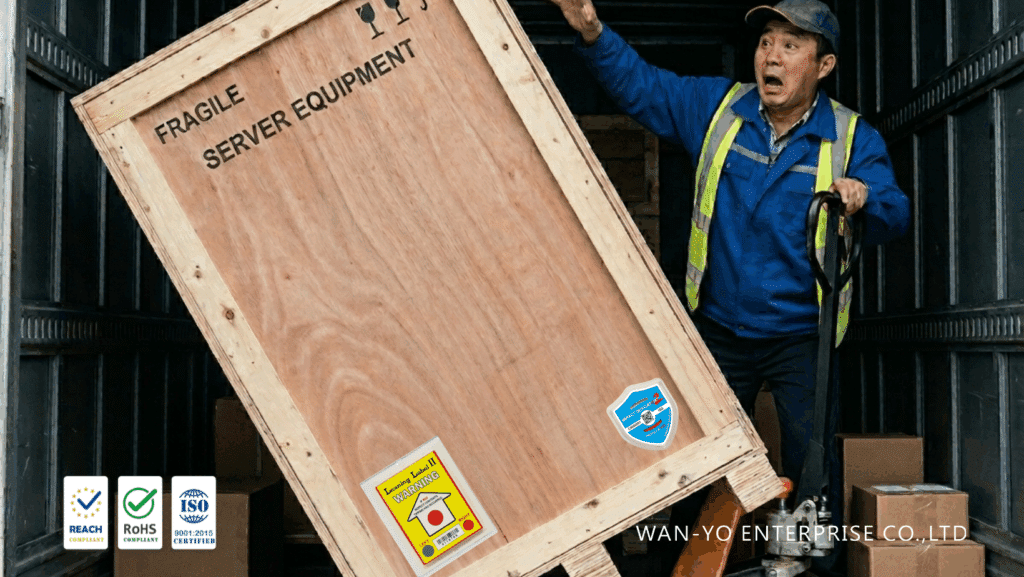
A Smarter Way to Handle Installation Risk
Field engineers are not just responsible for installation—they are often the last checkpoint before responsibility is assigned.
Recognizing the signs of shipping damage equipment, applying a clear pre installation inspection checklist, and understanding why machine not working after transport can fundamentally change how installation issues are handled.
More importantly, having a reliable way to prove damage was not caused during installation turns a reactive situation into a controlled one.

Reduce Installation Disputes Before They Start
If your team frequently faces unclear failures or recurring installation dispute with client situations, it may be time to strengthen how you verify equipment condition before installation.
We support engineering teams in identifying signs of shipping damage equipment, improving pre installation inspection checklist workflows, and implementing practical methods to prove damage was not caused during installation—without adding complexity to the job.