- The Foundation of Project Freight Management and Heavy Lift Cargo Security
- The Importance of a Proactive Transportation Risk Assessment
- Establishing a Transparent Logistics Liability Chain of Custody
- Implementing a Strict Hidden Damage Inspection Protocol
- Securing the Future of Global Infrastructure
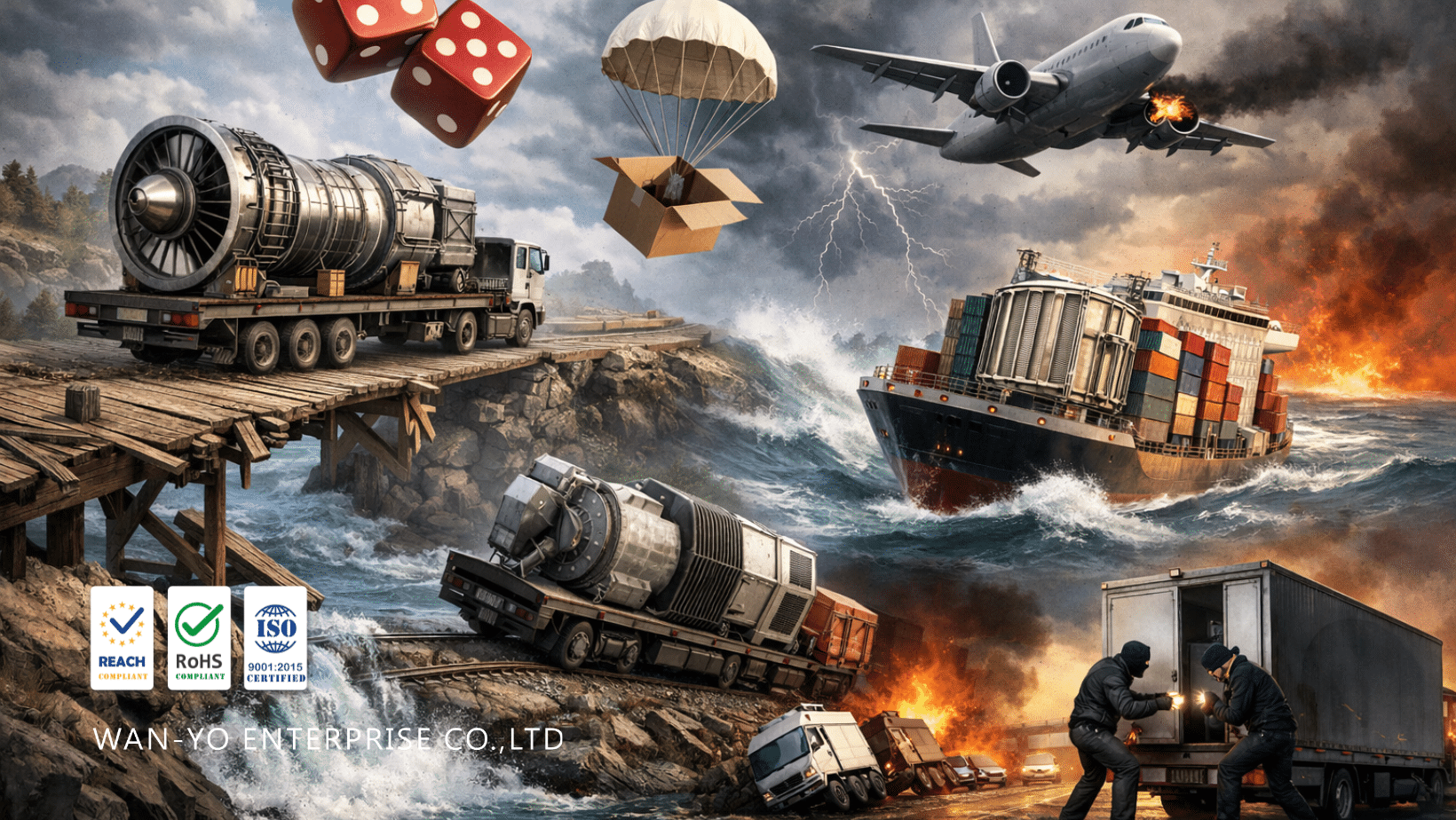
In the world of global infrastructure, successful Project Freight Management is the difference between a project that finishes on time and one that faces multi-million dollar penalties. To ensure a smooth delivery, every project manager must prioritize a thorough Transportation Risk Assessment, establish a clear Logistics Liability Chain of Custody, enforce a strict Hidden Damage Inspection Protocol, and guarantee Heavy Lift Cargo Security. Without these pillars, the journey of critical equipment—from turbines to transformers—is left to chance.
The Foundation of Project Freight Management and Heavy Lift Cargo Security
Project Freight Management involves the complex coordination of moving oversized, high-value equipment across continents. Unlike standard shipping, this field requires specialized knowledge of Heavy Lift Cargo Security. When moving a 200-ton transformer, “secure” doesn’t just mean tied down; it means monitored against every vibration and tilt.
Large-scale projects often fail not because of engineering errors, but because a key component arrived broken. This is why securing the cargo physically is only half the battle. The other half is data. By using advanced monitoring tools, project managers can transform “hope” into “certainty,” ensuring that every piece of equipment arrives in a condition that meets the project’s strict engineering standards.

The Importance of a Proactive Transportation Risk Assessment
Before any truck moves or ship sails, a Transportation Risk Assessment must be conducted. This process identifies potential “danger zones” in the supply chain—be it rough sea routes, bumpy inland roads, or ports with poor handling records.
A proactive assessment allows managers to:
-
Identify high-vibration segments of the journey.
-
Select the best-suited carriers for specialized equipment.
-
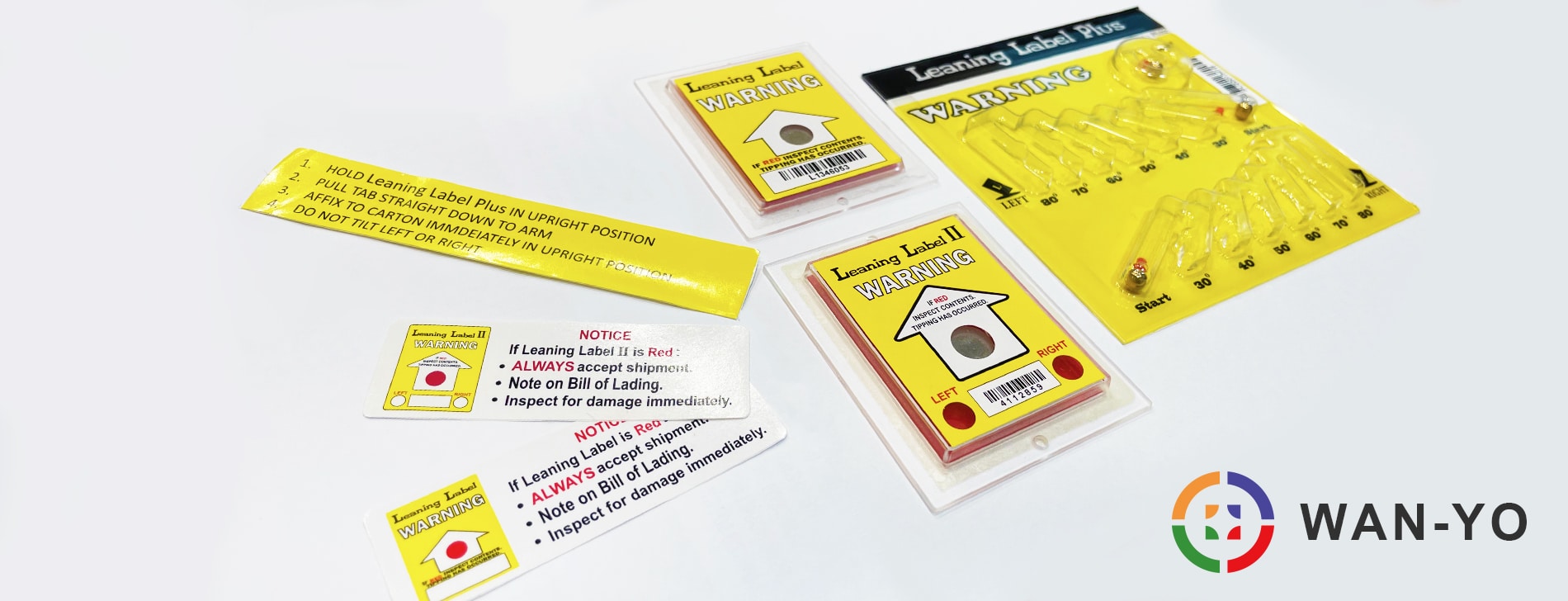
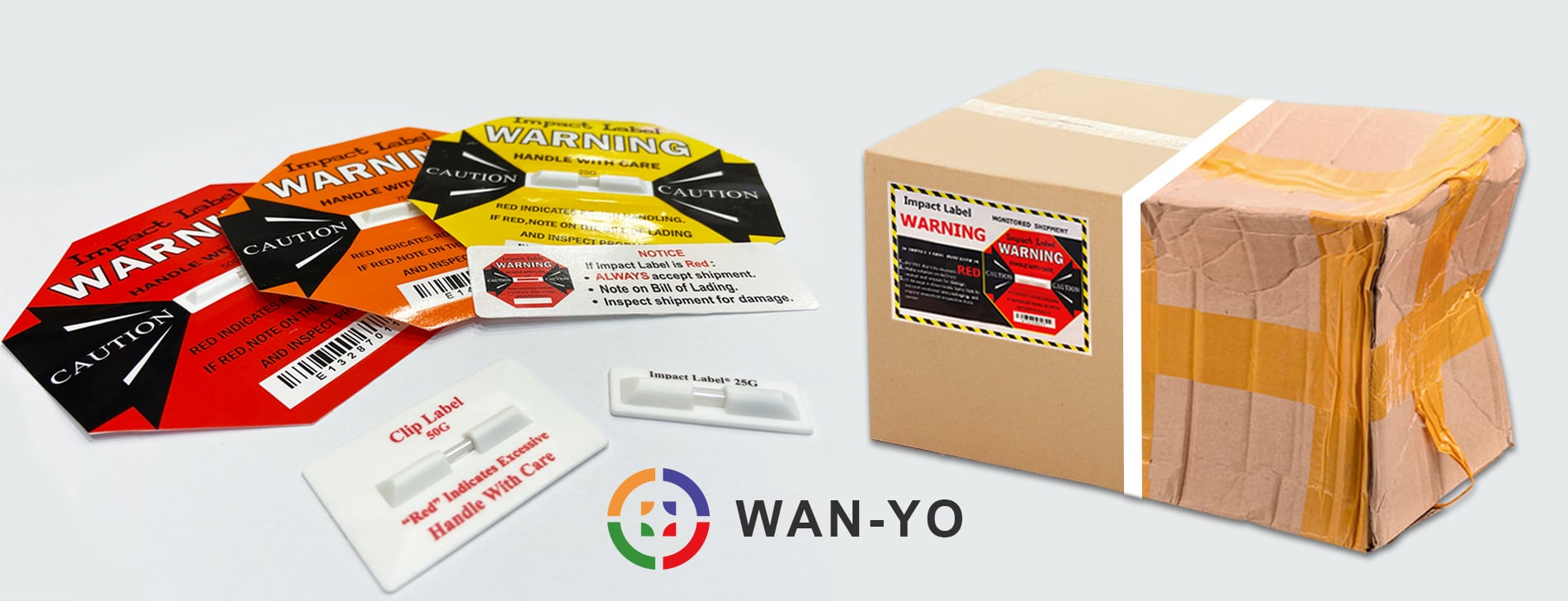
Budget for protective measures like impact and tilt indicators.
By quantifying risks early, you can implement mitigation strategies that prevent accidents before they happen, rather than reacting to damage after the cargo reaches the jobsite.
Establishing a Transparent Logistics Liability Chain of Custody
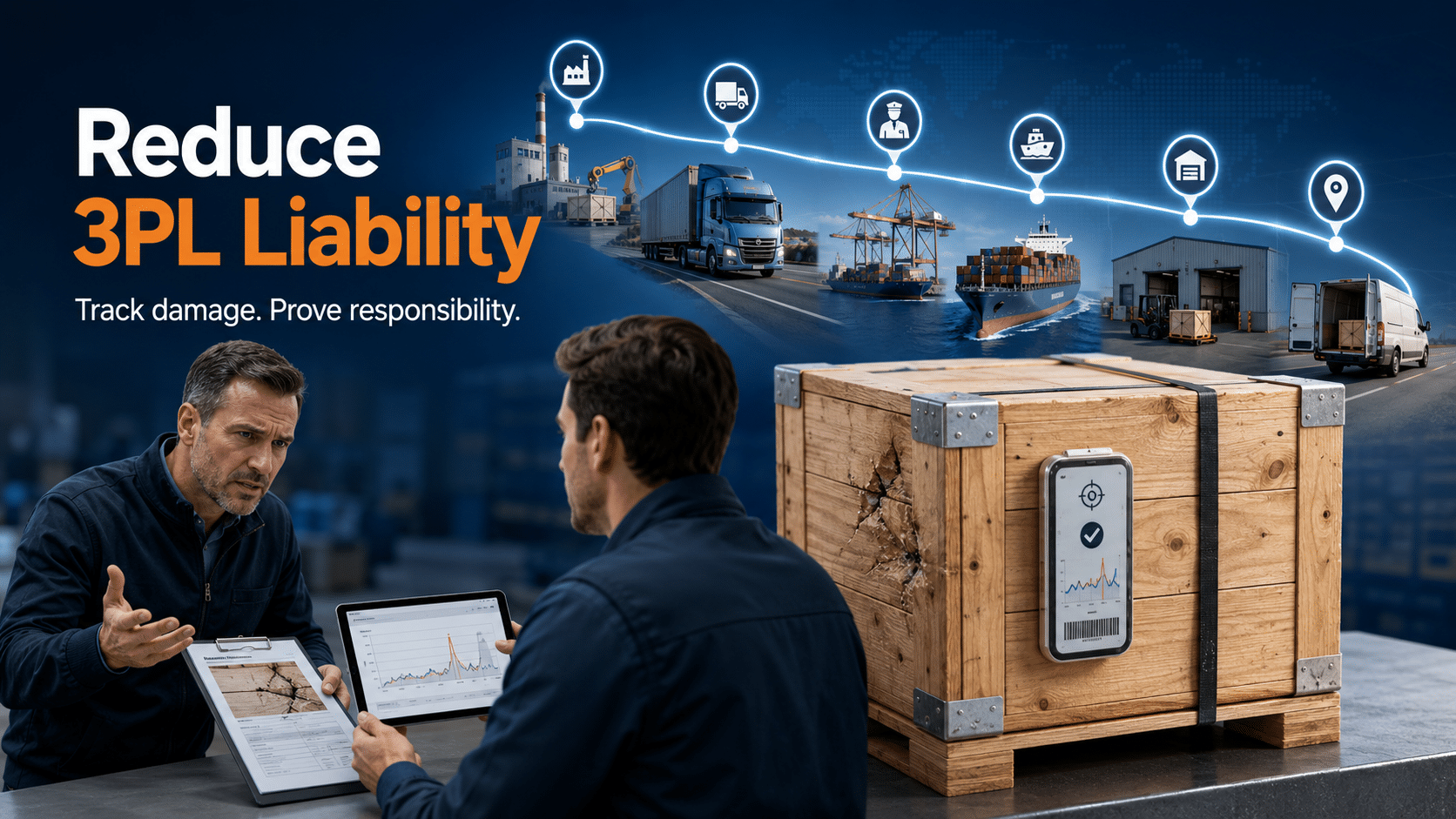
In long-haul shipping involving multiple carriers, the Logistics Liability Chain of Custody often becomes blurred. If a sensitive medical device or a generator arrives damaged, who is responsible? The ocean carrier? The port handler? The local trucking company?
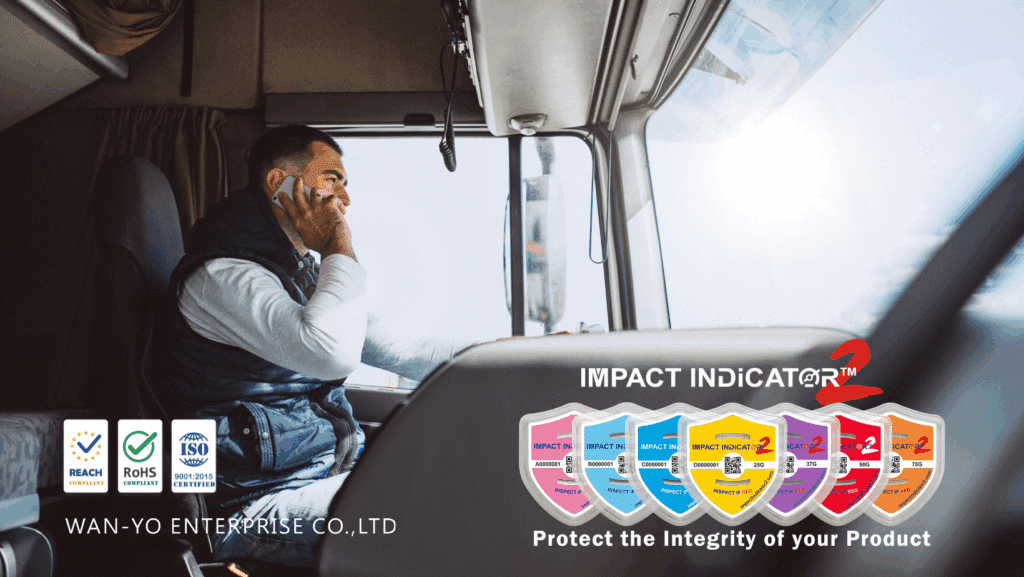
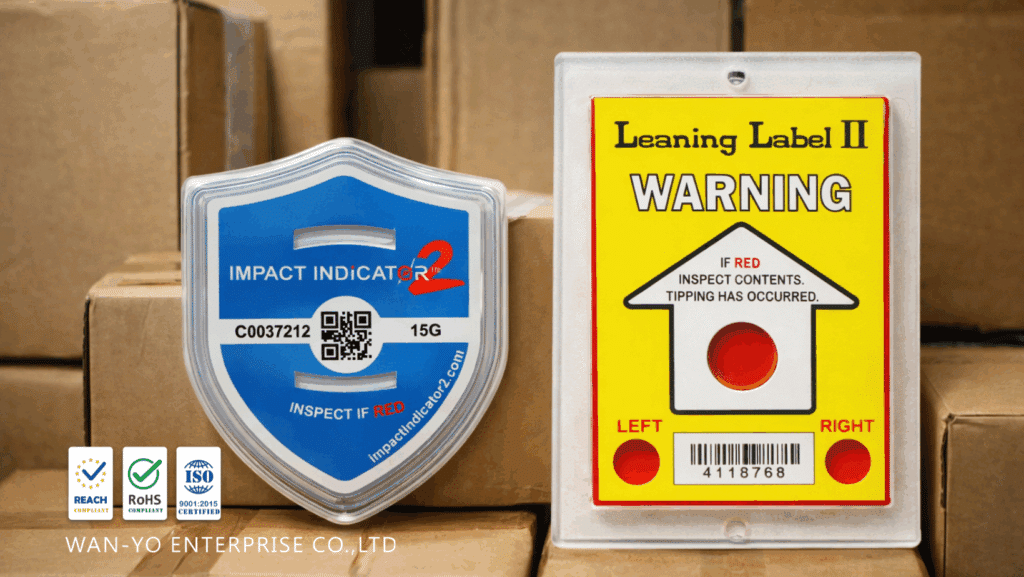
By integrating shock and tilt monitoring labels, you create an undeniable digital and visual record. These tools act as “silent witnesses,” marking exactly when and where an incident occurred. This transparency simplifies insurance claims and ensures that each party in the supply chain remains accountable for their segment of the journey. When everyone knows they are being monitored, they handle the cargo with significantly more care.
Implementing a Strict Hidden Damage Inspection Protocol
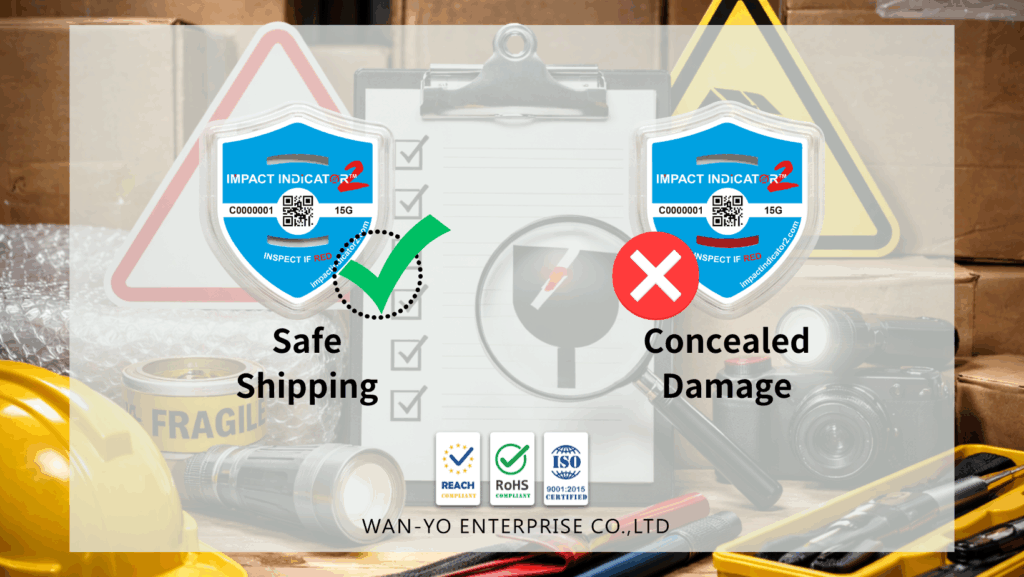
One of the biggest nightmares for an EPC Project Manager is “concealed damage.” This is when the outer crate looks perfect, but the internal components—such as delicate sensors or optical alignments—are shattered. Without a Hidden Damage Inspection Protocol, your team might sign for a delivery, only to discover it is unusable weeks later during installation.
A modern inspection protocol should include:
-
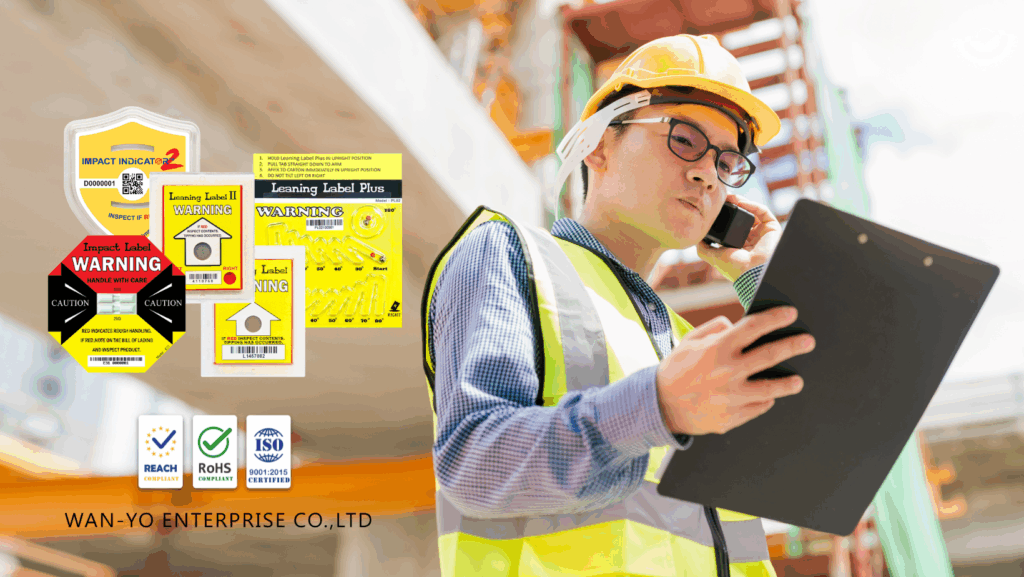
Visual Verification: Checking if the impact or tilt indicators have changed color.
-
Immediate Reporting: If a tag is activated, the “Red Light” status triggers a mandatory internal inspection.
-
Refusal or Conditional Acceptance: Allowing the project team to halt installation and call in engineers before the liability shifts from the carrier to the project owner.
Securing the Future of Global Infrastructure
Mastering Project Freight Management requires more than just logistical skills; it requires a commitment to data-driven safety. By combining a deep Transportation Risk Assessment with a robust Logistics Liability Chain of Custody, and enforcing a Hidden Damage Inspection Protocol while maintaining Heavy Lift Cargo Security, you protect your project’s timeline and your company’s reputation.
At Wan-yo, we understand that in large-scale construction, there is no room for “accidents.” Our monitoring solutions provide the visibility you need to ensure that your critical assets are handled with the respect they deserve, from the factory floor to the final jobsite.