- The Financial Trap of Supply Chain Chargeback Management
- Why Standard Inspections Fail in Supplier Delivery Dispute Protection
- Impact Indicator 2: The Ultimate Tool to Prevent Vendor Chargebacks
- Ensuring SLA Compliance Logistics to Protect Your AVL Status
- Stop Losing Your Revenue to Unfair Fines Today
Learning how to prevent vendor chargebacks is the most critical financial defense strategy for Tier-1 suppliers working with global retail and technology giants today. Landing a massive manufacturing contract with enterprise companies like Amazon, Walmart, Tesla, or Apple is a major milestone for any business. However, these lucrative B2B partnerships come with extremely strict vendor routing guides and Service Level Agreements (SLAs). If your cargo arrives at their massive distribution centers with any sign of damage, these giant clients do not simply return the goods. They issue severe financial penalties known as vendor chargebacks or SLA fines.
These deductions are automatically taken directly out of your accounts receivable, causing immediate cash flow disruptions. To survive in this high-stakes logistics environment, Key Account Managers (KAMs) and supply chain directors must implement proactive defense mechanisms. You must protect your hard-earned revenue from unfair damage claims by establishing absolute accountability throughout the shipping process.
The Financial Trap of Supply Chain Chargeback Management
Effective supply chain chargeback management is practically impossible if you do not understand the unbalanced power dynamic between your manufacturing factory and your enterprise clients. When a pallet of high-value electronics, automotive parts, or precision servers arrives at a mega-retailer’s warehouse, their receiving team works at lightning speed to process thousands of shipments daily. They do not have time for deep investigations.
Why Retailers Automate SLA Compliance Logistics Penalties
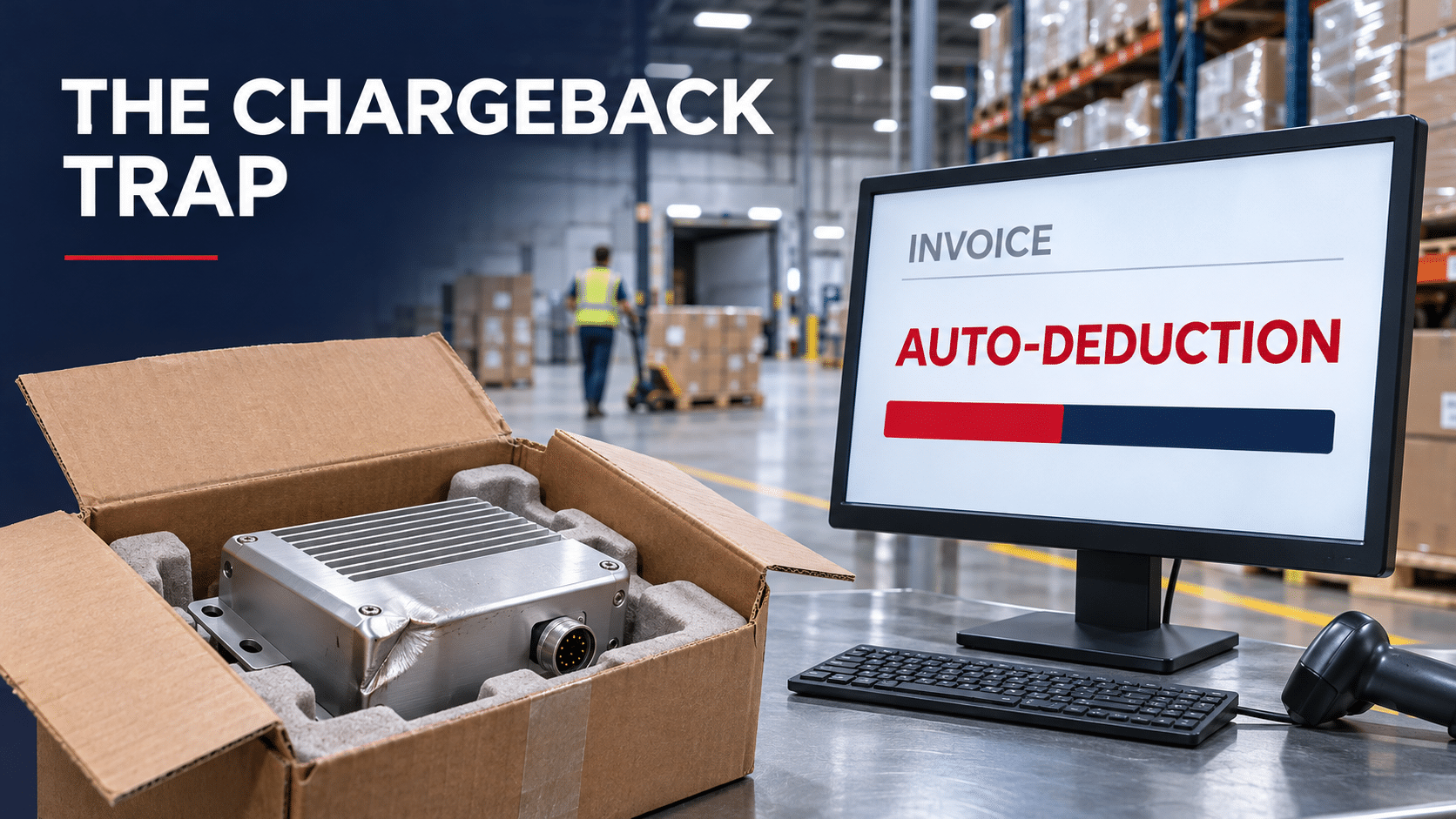
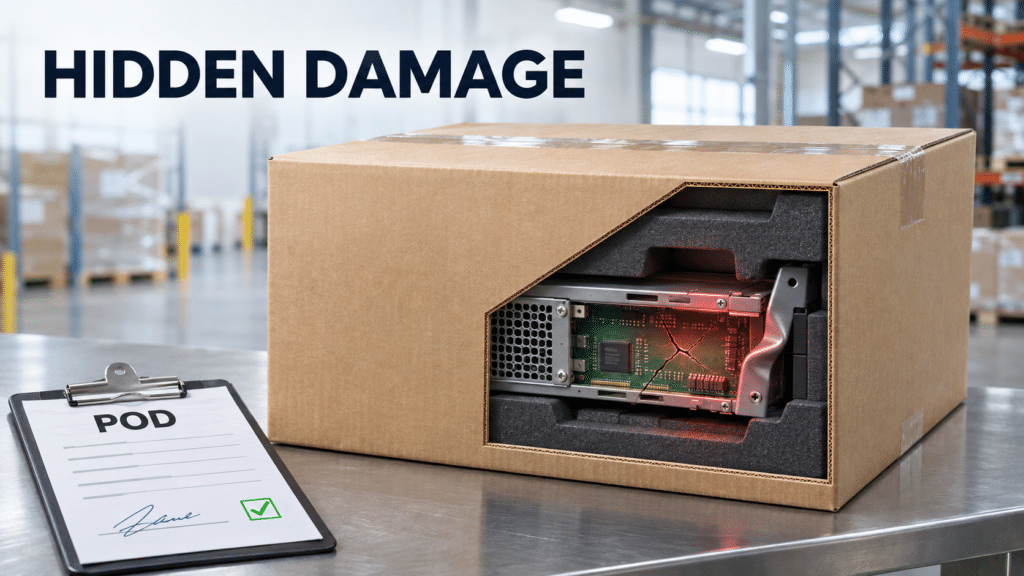
If the warehouse team discovers a broken product inside your box, they follow a strict “shoot first, ask questions later” policy. They immediately log the issue in their automated vendor portal and classify the defect as “poor supplier packaging.” Because of strict SLA compliance logistics rules, the system automatically deducts thousands of dollars from your pending invoice. They will not spend their time investigating whether the third-party logistics carrier dropped the box during transit. The burden of proof is placed entirely on the supplier.
These SLA fines can easily wipe out 30% to 50% of your net profit margin on a single purchase order. Worse still, accumulating too many damage infractions will drastically lower your vendor scorecard rating. If your quality rating drops below their acceptable threshold, you risk being permanently removed from their Approved Vendor List (AVL). You simply cannot afford to let logistics mistakes ruin your most valuable contracts.
Why Standard Inspections Fail in Supplier Delivery Dispute Protection
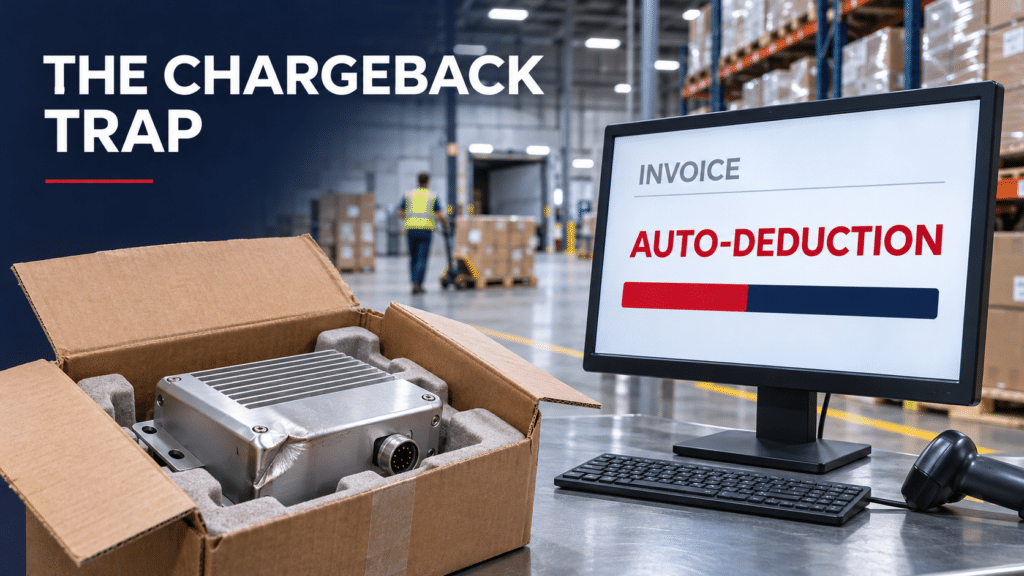
Relying on standard shipping documents offers absolutely zero supplier delivery dispute protection when dealing with modern logistics networks. Many supply chain managers mistakenly believe that obtaining a clean Proof of Delivery (POD) signature is enough to protect their company. They assume that if the truck driver signs a paper confirming the external cardboard boxes look fine when leaving the factory, the supplier is legally safe. This is a dangerous illusion.
The Blind Spot Requiring Proof of Transit Damage
In international trade and LTL (Less-Than-Truckload) shipping, “Concealed Damage” is the biggest enemy of Tier-1 suppliers. Your cargo might be dropped from a high forklift at a sorting hub, severely damaging the internal circuit boards or mechanical alignment. However, the thick cardboard exterior or wooden crate simply bounces back into shape, hiding the disaster inside.
When the enterprise client eventually opens the box on their assembly line and finds the broken goods, your clean POD signature becomes useless. Because you have no physical proof of transit damage, it becomes your word against the giant retailer. Without objective, timestamped data, the supplier always loses the argument and is forced to pay the massive chargeback penalty.
Impact Indicator 2: The Ultimate Tool to Prevent Vendor Chargebacks
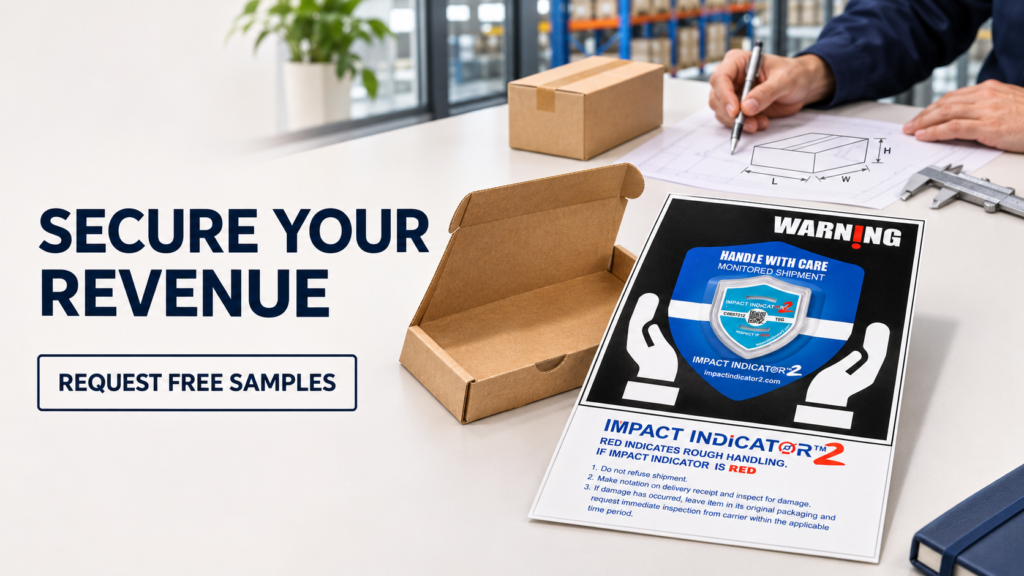
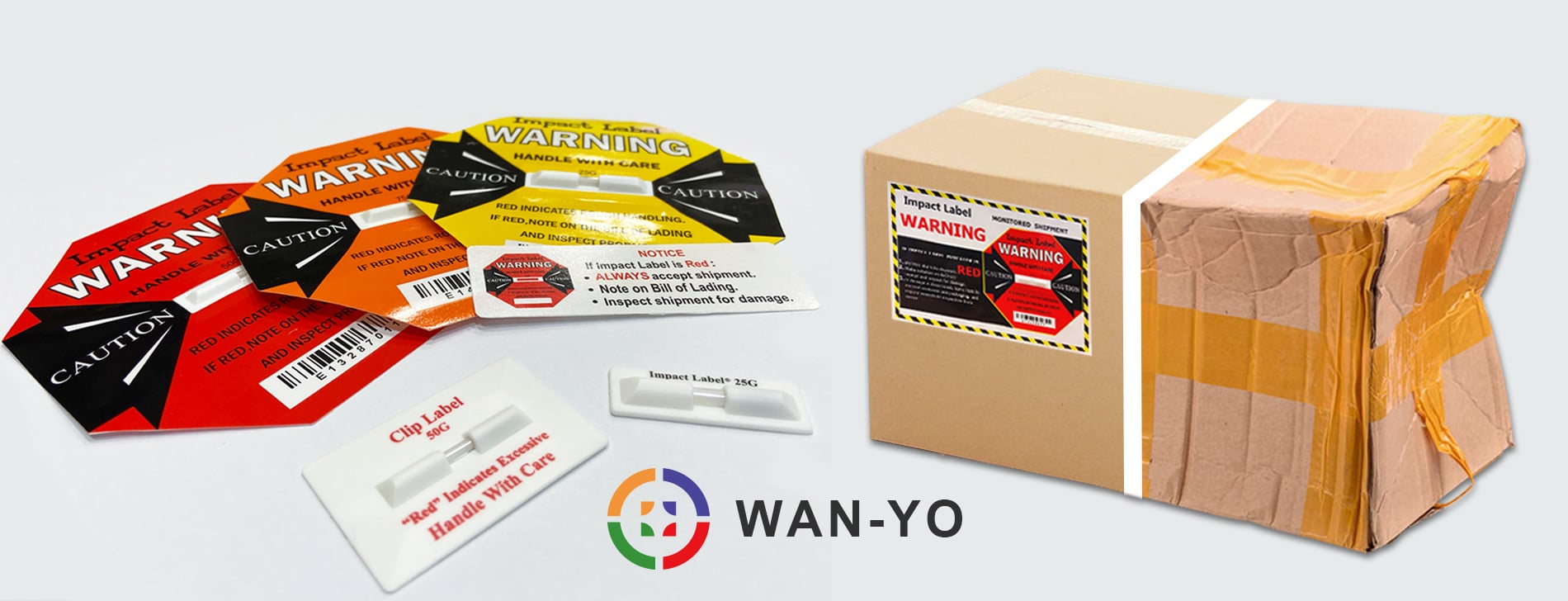
To win these one-sided arguments and successfully prevent vendor chargebacks, you need undeniable evidence. The Impact Indicator 2 provides exactly that. The Impact Indicator 2 is a highly visible, tamper-proof mechanical device that you bolt or stick directly onto your outbound packaging. It acts as an unbiased, permanent witness to the physical handling of your products across the entire global supply chain.
If a logistics carrier drops your pallet or subjects it to an impact that exceeds your product’s safe G-force threshold (such as 25G, 37G, or 50G), the indicator instantly and irreversibly turns bright red. This simple, battery-free device completely shifts the legal liability away from your factory.
Securing Your Supply Chain Chargeback Management Strategy
By utilizing this physical indicator, you upgrade your supply chain chargeback management by establishing a perfect chain of custody:
-
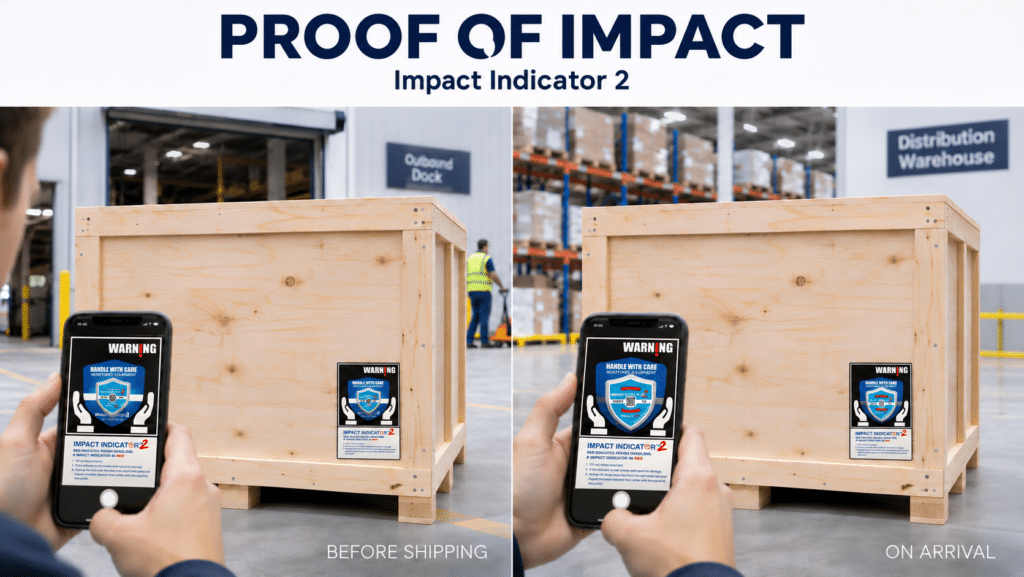
At the Factory Outbound Dock: When the freight forwarder picks up the cargo, your team photographs the clear indicator alongside the Bill of Lading. This legally proves your packaging was perfect and compliant when it left your hands.
-
At the Client Inbound Dock: If the goods arrive at the client’s facility and the label has turned red, you have definitive, unalterable evidence that a severe drop occurred during the carrier’s possession.
When the giant client tries to issue an automated SLA fine for a broken product, you can confidently reject the deduction in their vendor portal. You simply upload the photo of the triggered indicator and state: “Our outbound quality was flawless. The red indicator proves your designated carrier mishandled the freight in transit. Please direct your damage claims to the logistics provider and process our invoice in full.” This physical evidence is exactly how you win the negotiation.
Ensuring SLA Compliance Logistics to Protect Your AVL Status
Proactively deploying shock monitors is the ultimate method for ensuring strict SLA compliance logistics and securing your long-term status on the Approved Vendor List. Enterprise clients highly respect suppliers who take their cargo security seriously.
By making the Impact Indicator 2 a standard part of your Bill of Materials (BOM) and packaging Standard Operating Procedure (SOP), you send a strong message to your corporate buyers. You prove that your company utilizes enterprise-grade quality control measures that extend far beyond your factory walls.
How Visual Deterrence Enhances Supplier Delivery Dispute Protection
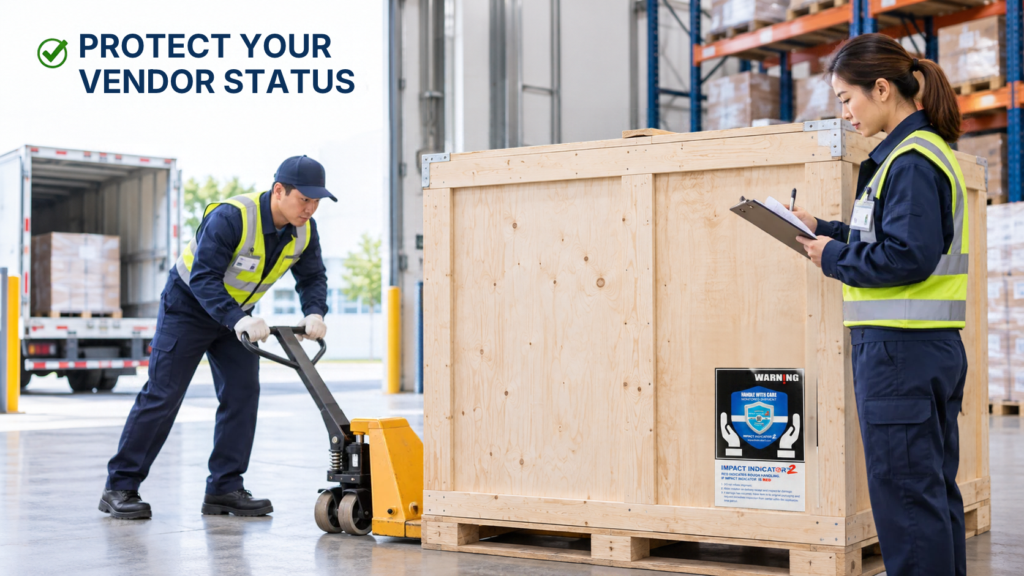
Furthermore, the brightly colored warning label acts as a powerful psychological deterrent, adding an active layer of supplier delivery dispute protection. When warehouse workers, port staff, and forklift operators throughout the supply chain see the Impact Indicator 2, they immediately know the cargo is being actively monitored. Human behavioral studies prove that handlers treat monitored packages with significantly greater care. By stopping the drops before they happen, you drastically reduce your overall damage rate, ensure smooth deliveries, maintain perfect vendor scorecards, and keep your enterprise clients happy.
Stop Losing Your Revenue to Unfair Fines Today
Tier-1 manufacturing margins are already tight enough due to rising raw material costs and global inflation. You cannot allow unfair SLA fines and unproven delivery disputes to drain your quarterly revenue. It is time to empower your Key Account Managers and logistics teams with the unalterable physical evidence they need to fight back and win.
Secure your profit margins by integrating our industry-leading solutions into your outbound shipping processes today. Tell us your cargo weight, packaging type, and the strict SLA requirements of your enterprise clients. Our engineering team will recommend the exact G-force sensitivity you need to build a flawless defense system for your supply chain.