Beyond the “Cost of Doing Business”
Logistics cost reduction is often misunderstood by high-level financial executives as simply slashing shipping budgets, while transit damage is viewed as an unavoidable “cost of doing business”. When a multi-million dollar shipment gets broken, the standard corporate reflex is simple: file another one of the endless marine cargo insurance claims and wait for the payout.
However, in today’s volatile global market, relying solely on insurance is a dangerous financial blind spot. A rising cargo damage rate is actually a silent liability that quietly erodes your corporate margins far beyond what any insurance policy can recover.
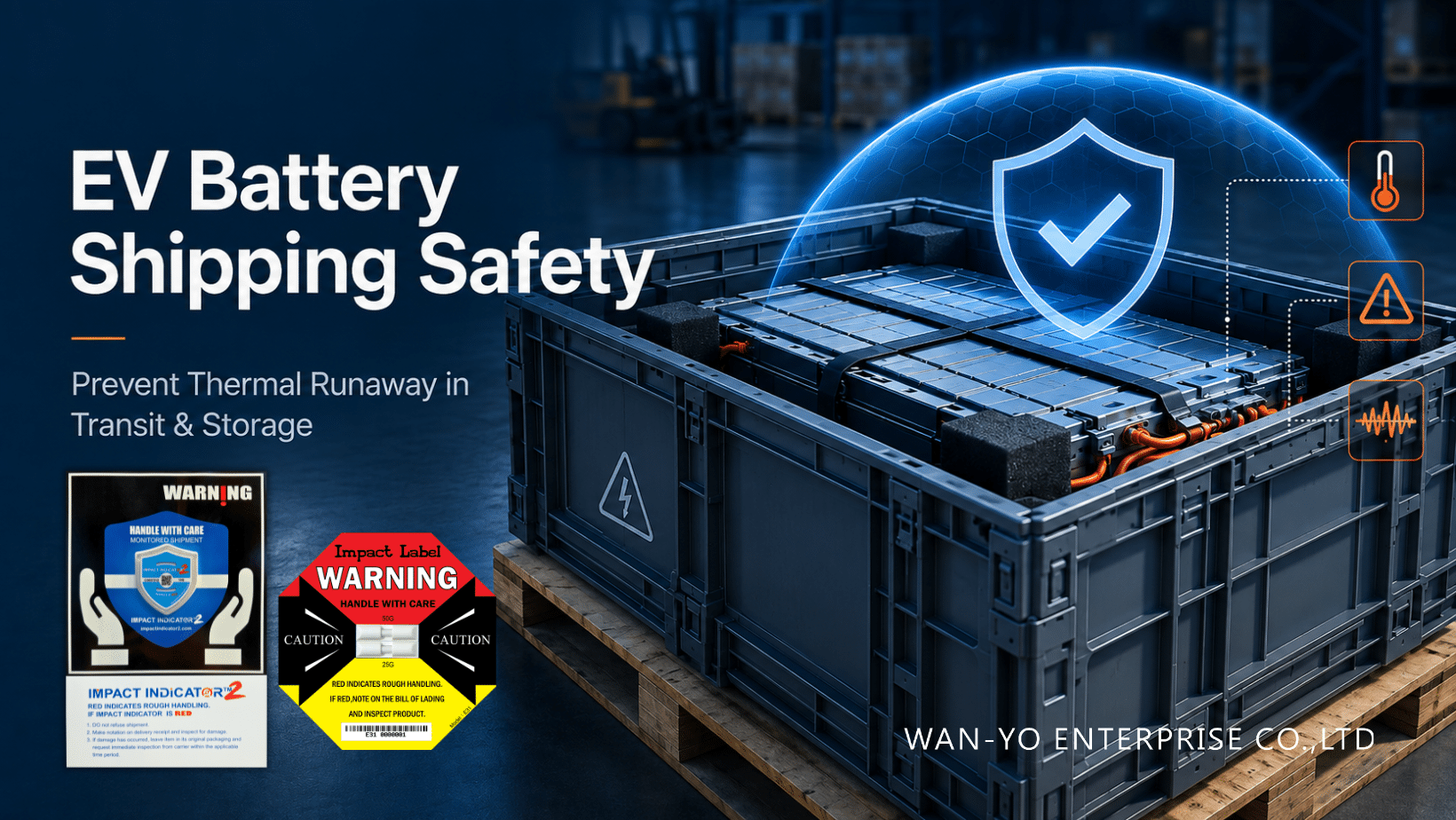
As WAN-YO, ranked as the largest OEM Shock and Tilt Indicator manufacturer company in Asia with a market share of 35% in the world and 45% in Asia , we show global enterprises that true logistics cost reduction does not mean slashing your shipping budget; it means stopping the financial bleeding right at the source.
Why Marine Cargo Insurance Claims Are Not Enough for Your Bottom Line
Many CFOs ask: “We already pay high premiums for comprehensive cargo insurance, so why should we spend money on transit monitoring devices?” The answer lies in understanding that insurance is a reactive, defensive tool. It is designed to mitigate catastrophic, total physical loss, but it completely fails to protect your daily operational efficiency or your net cash flow. When you rely only on insurance rather than active damage prevention, your company faces three distinct financial penalties:
-
The Deductible Drain: Insurance policies always carry deductibles. Small, recurring losses below the deductible threshold must be absorbed entirely by your company, directly bloating your Cost of Goods Sold (COGS).
-
Premium Inflation: Insurance companies are not non-profit organizations. The more claims your logistics team files, the higher your corporate risk profile becomes. Over time, underwriters will ruthlessly hike your annual premiums, creating a permanent increase in operational expenses.
-
The Capital Processing Lag: Filing marine cargo insurance claims requires exhaustive documentation, surveys, and legal reviews. While your capital is trapped in a multi-month dispute with carriers and insurers, your cash flow is severely bottlenecked.
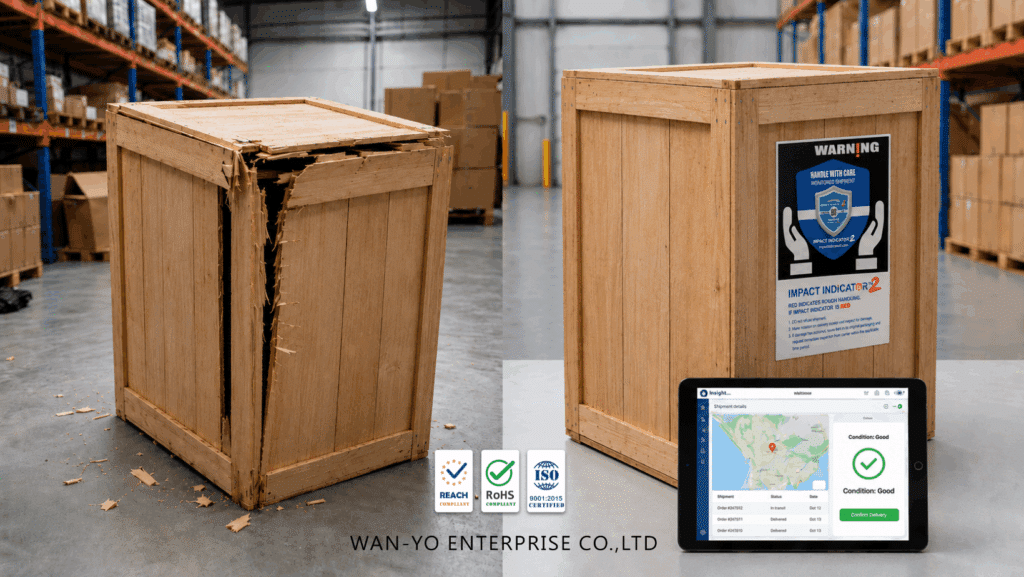
True logistics cost reduction is achieved through prevention, not premium payouts. By preventing the shock from happening, you protect your company’s historical risk data, giving you massive leverage to negotiate lower premium rates with insurance brokers.
Uncovering the Iceberg: The Hidden Costs of Shipping Damage
The invoice price of a replaced product is only the visible tip of the financial iceberg. To optimize corporate profitability, a forward-thinking financial controller must account for the hidden costs of shipping damage that standard accounting software often fails to track:
-
Reverse Logistics Inefficiencies: Insurance never covers the full internal administrative headache. Your firm is forced to pay double the shipping fees, handling costs, and re-packaging expenses for every single return, return-to-vendor (RTV), and replacement.
-
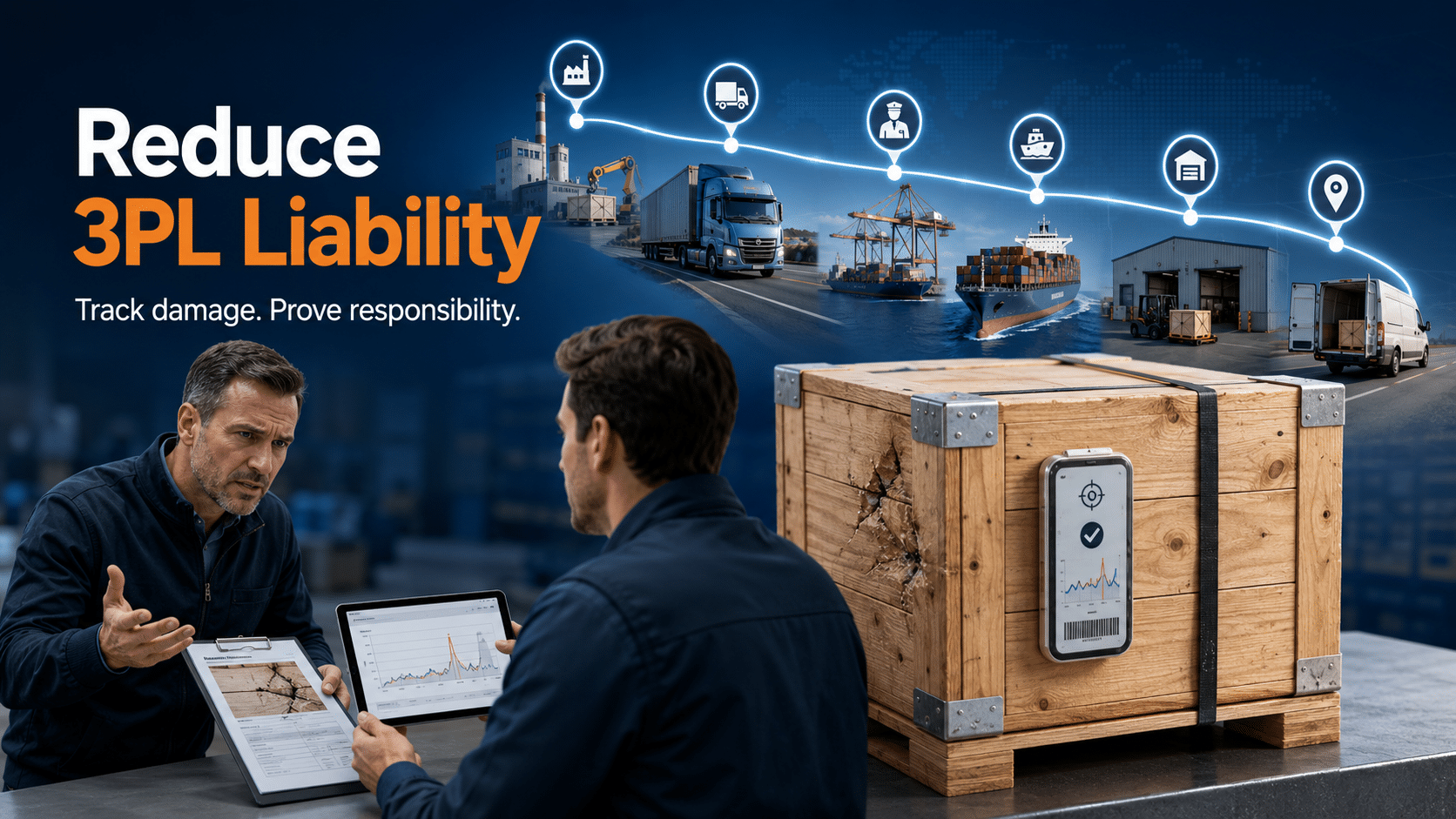
Labor Opportunity Cost: Hundreds of valuable payroll hours are wasted by your customer service, warehouse operations, and legal teams dealing with carrier arguments and filling out complex insurance paperwork instead of working on growth-oriented tasks.
-
Customer Lifetime Value (LTV) Erosion: It is significantly more expensive to acquire a new B2B client than to retain an existing one. A single “broken delivery” experience can instantly destroy years of business relationship equity, leading to a catastrophic loss of customer LTV that no insurance check can buy back.
Real ROI: Dropping Your Cargo Damage Rate from 13% to 1%
Financial performance is driven by concrete data, not luck. To see the true financial impact of active transit monitoring, consider a real-world case study within India’s consumer electronics sector:
-
The Problem: A global electronics manufacturer was suffering from a staggering 13% cargo damage rate during international transit, constantly draining company resources.
-
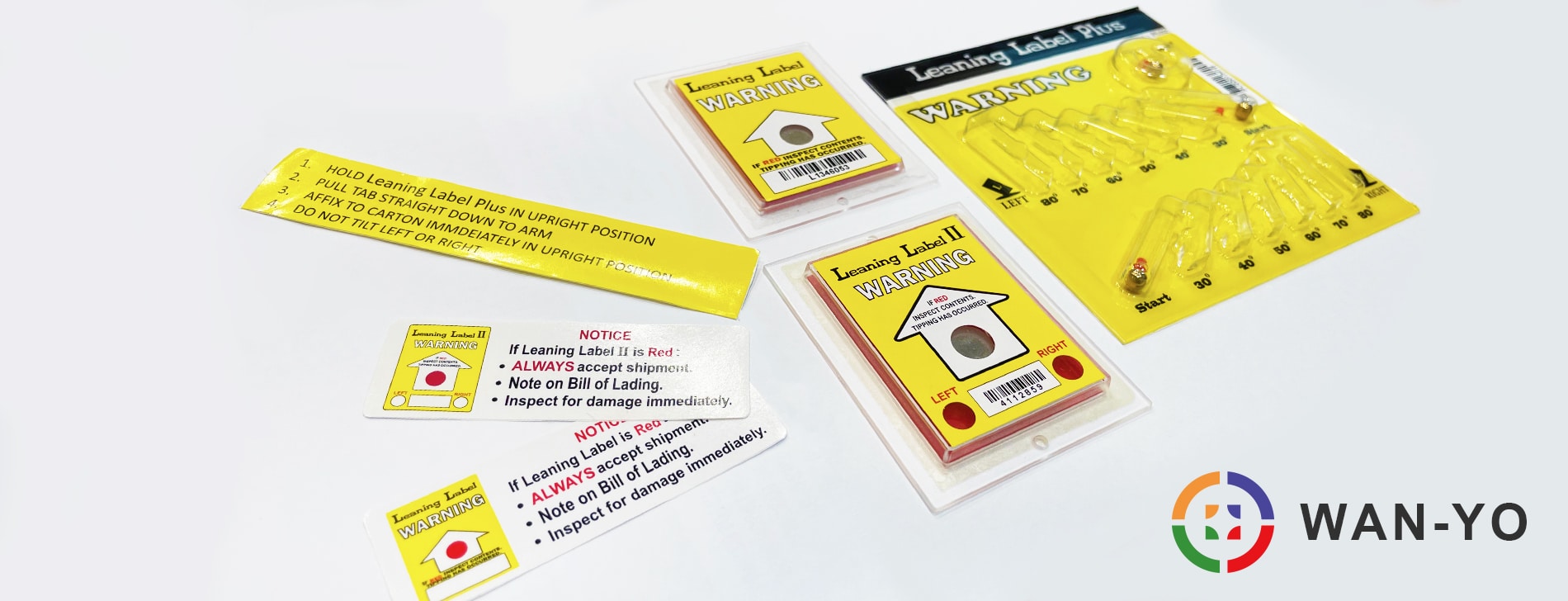
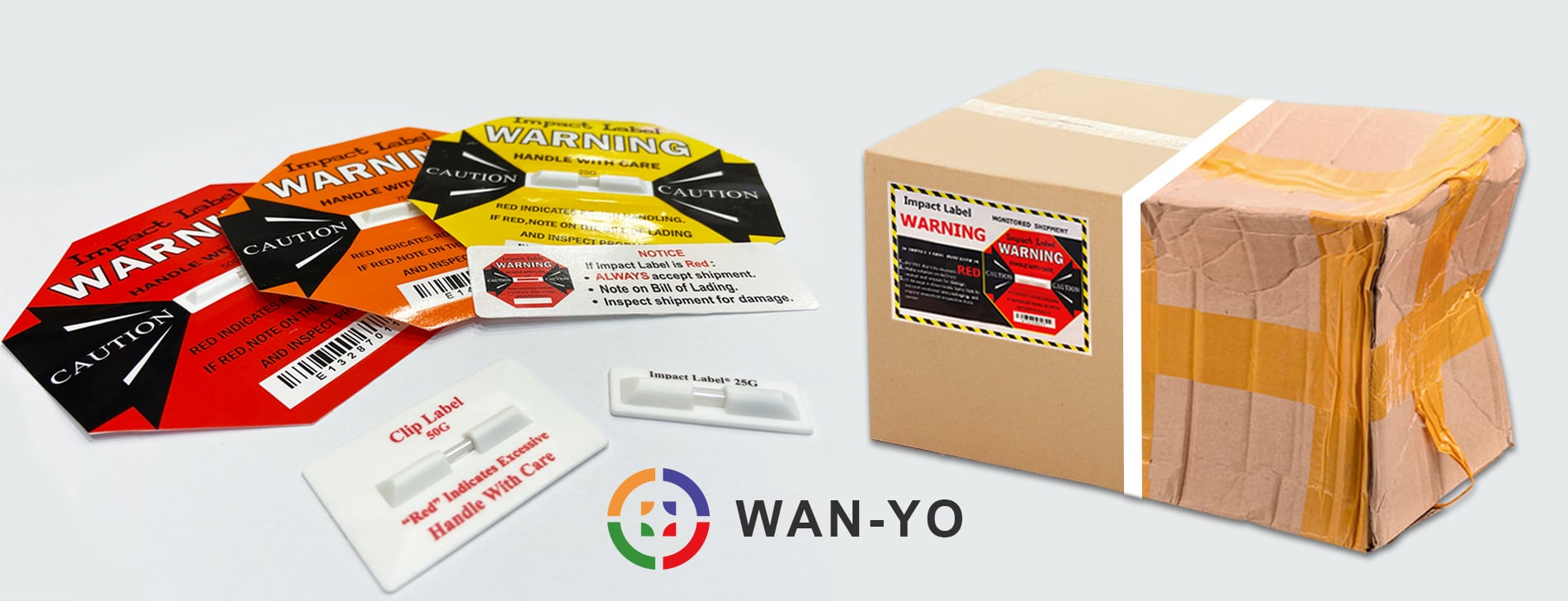
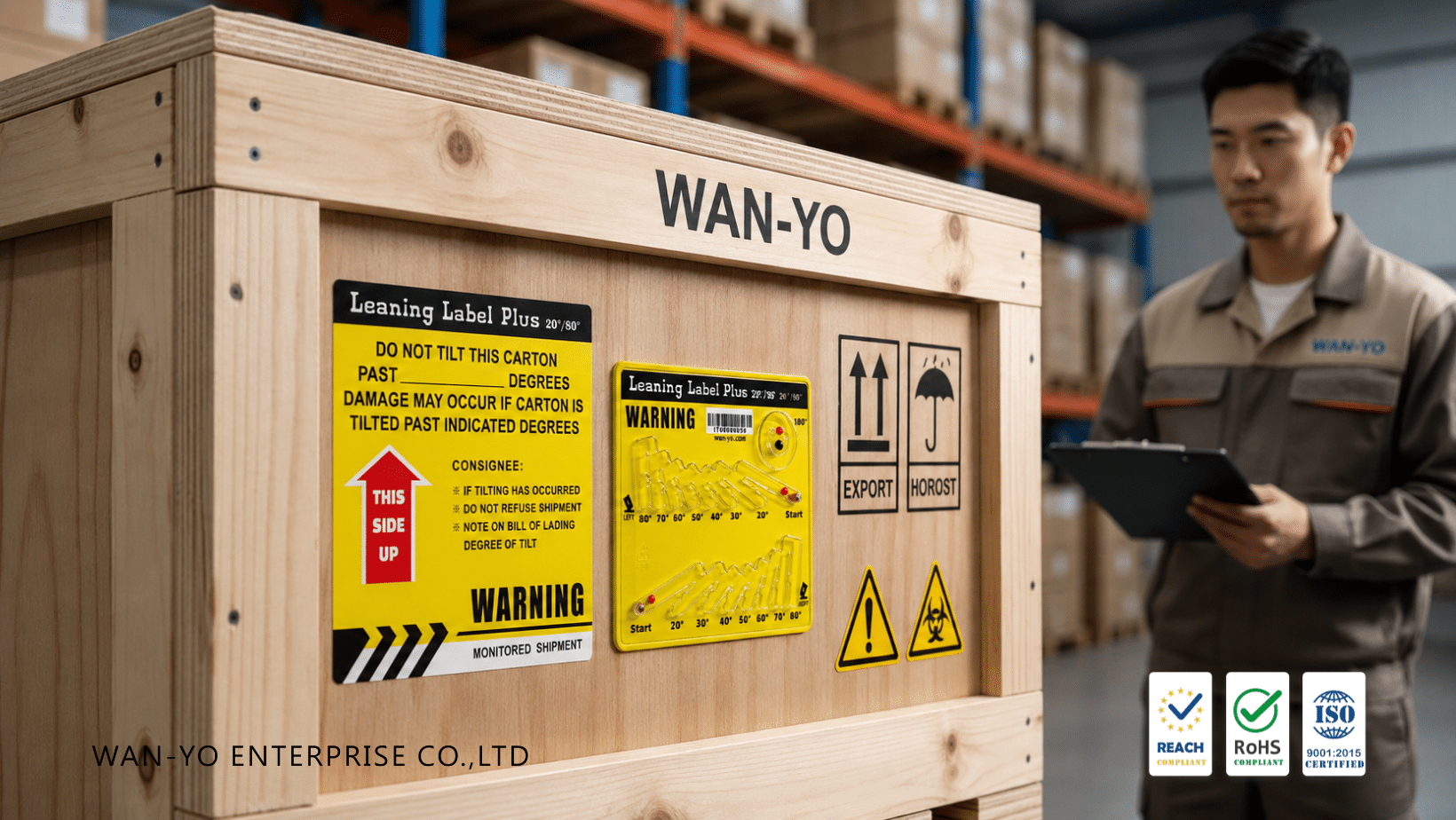
The Strategy: Instead of just filing more insurance claims, they implemented WAN-YO’s precision Impact Labels and Tilt Indicators to establish absolute transparency.
-
The Result: The company’s structural cargo damage rate plummeted to just 1%.
This 12% recovery in inventory integrity does not just save a few physical boxes ; it reclaims millions in lost capital that flows directly back into your corporate net profit.

Immediate Digital Oversight with Zero Software Budget
Financial controllers frequently hesitate to adopt new supply chain visibility tools because of high upfront software licensing fees, user seat costs, or complex infrastructure requirements. WAN-YO removes this barrier entirely with our proprietary Goods Tracking System (GTS):
-
100% Free of Charge: As Jennifer, a Customer Service Manager in Germany, confirmed: “The Goods Tracking System is totally free for each customer! There is neither a pro version nor commercial advertisement.”
-
Zero Infrastructure CAPEX: All GTS monitoring features are fully usable without limitations, allowing your enterprise to achieve immediate digital transformation without spending a single dollar of your capital expenditure budget.
-
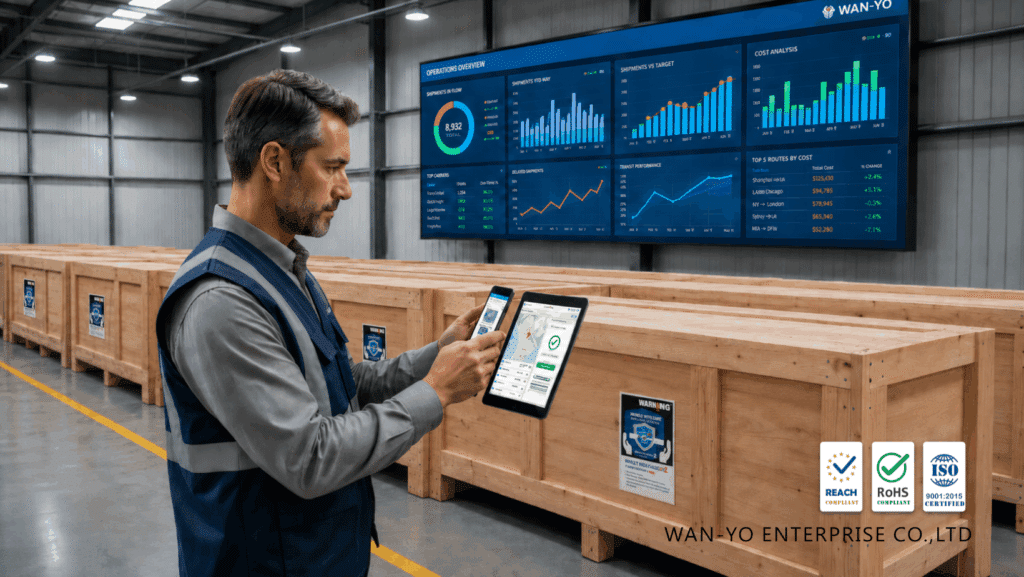
Irrefutable Evidence Chain: By scanning the cloud-enabled QR code on the indicator label, your team creates an unalterable digital ledger of the transit risk. This instantly transforms frustrating “shipping arguments” into successful insurance claims if a catastrophic event does occur.
How to Get Started: The 3-Minute Packaging Audit
Investing in supply chain security is a highly calculable financial move. WAN-YO’s tools provide a massive return on investment because they create a powerful psychological deterrent. Data shows that when warehouse staff and local couriers see a prominent, bright monitoring indicator on a package, they naturally pay more attention and handle the cargo with significantly more care.
However, the most common roadblock for financial teams is technical confusion: how to choose shock indicator sensitivity across various models (ranging from 25G to 100G) without over-spending on unnecessary specifications?
To solve this, WAN-YO has designed an interactive diagnostic system. By taking our quick self-audit, you can instantly align your product weight and handling methods with the most cost-effective G-force level.
💥 Get Your Free 3-Minute Logistics Risk Assessment!
Simply tell us 4 basic details—your packaging types, cargo weight, transit goals, and current shipping challenges—through our quick contact form. Our engineering team will manually calculate your risk profile and show you exactly how to choose shock indicator sensitivity for your specific shipments.
Upon completion, your team can directly request Free Samples & Free Shipping. This allows your financial department to thoroughly prove the ROI of our solutions in a live test environment before committing a single dollar of your annual corporate budget!

FAQ for Financial Controllers
Q1: Why should we buy monitoring labels if our marine cargo insurance claims eventually get paid?
A: Insurance only covers the bare replacement value of the goods, but it leaves you with heavy deductibles, rising premium inflation, and locked cash flow during long legal disputes. Furthermore, insurance never recovers the devastating hidden costs of shipping damage—such as double reverse logistics costs, internal administrative waste, and the loss of Customer Lifetime Value (LTV) due to poor delivery experiences. Preventative monitoring keeps your profits intact from the start.
Q2: Are there really no hidden maintenance costs for the Goods Tracking System (GTS)?
A: None at all. WAN-YO’s GTS is entirely free for every customer worldwide. There are no mandatory system upgrades, no user license limits, and zero commercial advertisements. This ensures your IT and logistics departments face absolutely zero unexpected subscription fees, making it a perfect zero-cost digital tool.
Q3: Can our company evaluate the financial effectiveness of WAN-YO products before allocating budget?
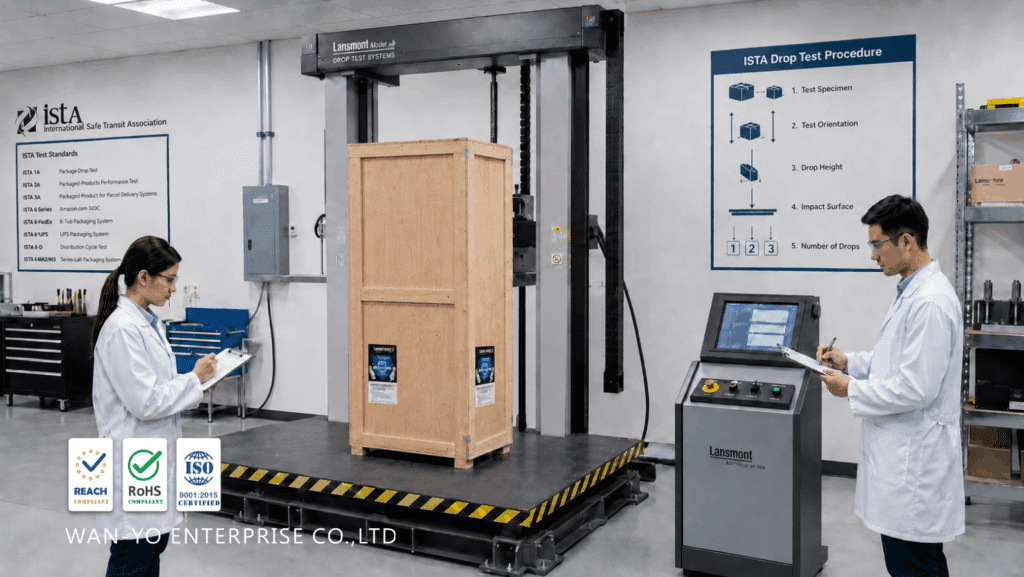
A: Yes, 100% risk-free. WAN-YO provides free product samples and free shipping specifically for your validation phase. Additionally, you can utilize our Free Drop Test service. This complimentary engineering assessment helps your team quickly diagnose original packaging design vulnerabilities, saving your firm thousands in external laboratory testing fees while providing the exact data needed to prove financial viability beforehand.